

VR training / Manufacturing & Automotive
Build confidence before the production floor.
VR training for the procedures that matter on your line. Help operators and technicians rehearse critical decisions without using live production equipment.
For plant teams, automotive manufacturers and EHS leaders

01 / The problem
Production cannot pause for every learning moment.
- 01
Limited access to equipment
New operators need practice, but live machines are busy delivering production targets.
- 02
Different shifts. Different habits.
Informal handovers can leave critical steps open to interpretation.
- 03
Rare faults, real consequences
Abnormal conditions are difficult to rehearse safely on an operating line.
02 / See it work
A closer look at automotive training.
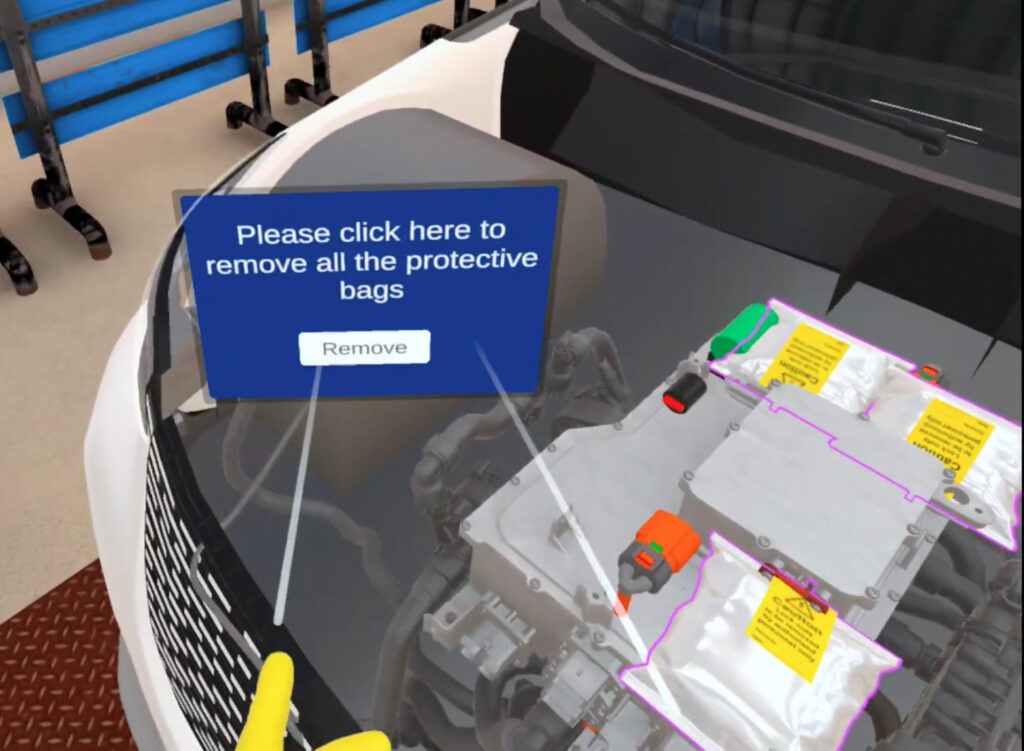
An image from the automotive training sample already published on our website. Ask us about the workflow, equipment and assessment scope for your team.
The demo above is a working HapzXR project sample. The scenarios below illustrate how the training can be adapted to different roles and procedures.
03 / Try the scenarios
The situations that matter. Space to practice them.
Pick a situation. Each one shows where the learner starts, what they practice and what the trainer gets back.
Energy isolation
You're here
A machine needs intervention. Several energy sources and a shift handover make the task more complex.
Learner practices
Rehearse the approved isolation sequence, verification checkpoints and communication handover.
Trainer sees
Review missed checkpoints and the reasoning behind each decision.
Operator readiness
You're here
An operator is joining an unfamiliar station before a busy production shift.
Learner practices
Explore the work area, follow a guided sequence and repeat it with less assistance.
Trainer sees
Identify steps that need instructor coaching before supervised workplace practice.
EV high-voltage awareness
You're here
A high-voltage component has been flagged for inspection.
Learner practices
Recognize restricted work, identify procedural controls and practice the agreed escalation route.
Trainer sees
Discuss hazard recognition and procedural decisions with a qualified instructor.
Scenarios are illustrative. Final scope and procedures are agreed with your team.

Lockout/Tagout (LOTO) VR Training
Lockout/tagout in VR: find every energy source on a conveyor, isolate electrical and compressed air, apply your own lock and tag, prove it is dead, then service and restart it safely.
View the moduleNeed more?

Fire Safety for Warehouses
VR fire-safety training for alarm response, extinguisher decisions, evacuation routes, assembly-point discipline, and emergency communication.

Working at Height VR Training
VR training for working at height, covering planning, PPE, anchor selection, rescue readiness, and elevated-work decision-making.
05 / What we have built
What we have delivered.
Who is behind this
Built with the people who run the line.
Designed with maintenance leads and EHS specialists, and reviewed with yours before it ships.
How a pilot works
From your procedure to a working pilot.
- 1
Give us the task
Roles, procedures, site information and what people need to get right.
- 2
We adapt the training
Scenario, environment, assessment and reporting.
- 3
Run it with a small group
Review what happened before deciding whether to scale.
VR supports practice and assessment. It does not replace required qualifications, supervised practical training or your site-specific safety procedures.
Can we start without modeling our entire factory?
Yes. A focused task or workstation can be scoped first. A full-facility model is not necessary for every training objective; we will agree on the level of environment detail the learning task actually needs.
Can you adapt training to our procedures and locations?
We can discuss adapting scenarios to your approved procedures, terminology, learner roles and environment. Your subject-matter experts review the content; the extent of customization is agreed before development.
What equipment, time and budget will we need?
Plans from $179 a month. Custom modules from $4,000. Equipment and timelines depend on the selected module, number of learners, headset setup and customization. Share your requirements and we will scope the hardware, delivery schedule and commercial proposal. We do not assume one deployment model fits every team.
How should we evaluate a pilot?
Agree on success measures before the pilot: decision accuracy, critical steps missed, learner throughput and feedback from instructors. Compare these with your current training approach rather than relying only on learner satisfaction.
Automobile · Jun 2026
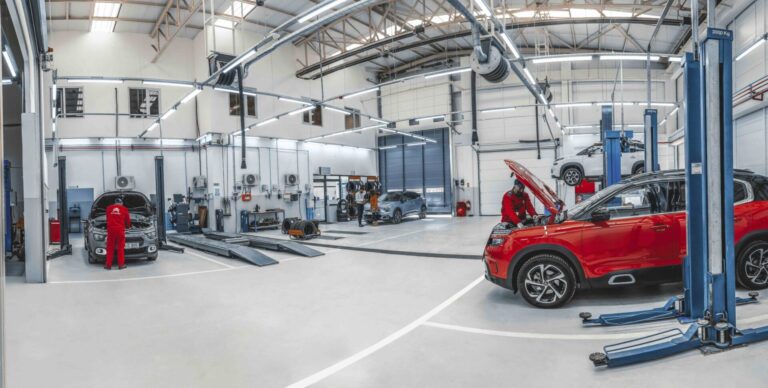
EV High-Voltage Safety & Maintenance VR Training: Why Automotive Teams Need Safer Hands-On Practice
Electric vehicles are changing how automotive teams work. For many years, vehicle maintenance was mostly mechanical. Technicians worked around engines,…
Read article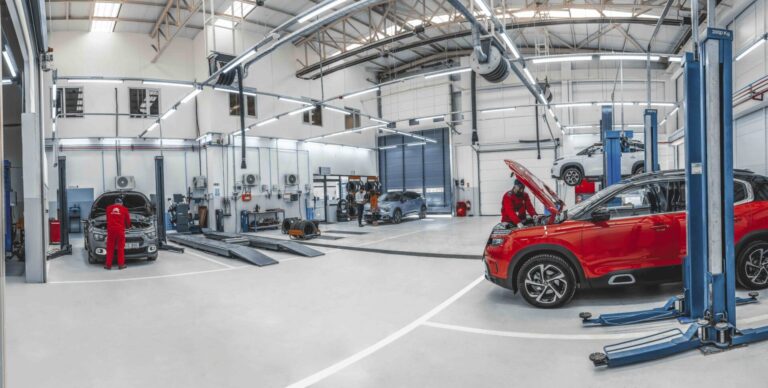
Automobile · May 2026
Why Automobile Companies Are Quietly Investing Big in VR for Sales and Service
If you talk to people inside the automobile industry today, one thing becomes very clear very quickly. Margins are tighter.…
Read article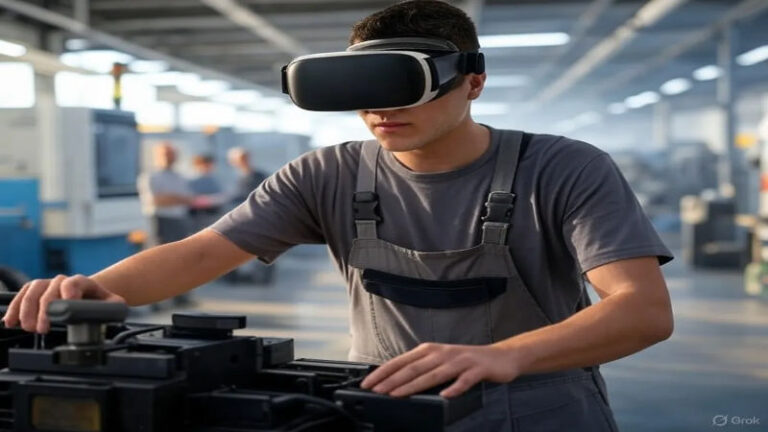
Manufacturing · Apr 2025
XR Is Transforming the Manufacturing Industry
How Extended Reality (XR) Is Transforming the Manufacturing Industry The manufacturing sector, known for its keen adoption of technology to…
Read articleYour next step
Which task does your team need to get right?
Tell us the role, the site and what your people need to get right. We will show you what can be trained in VR and what a sensible first pilot could look like.