

VR training / Construction & Infrastructure
The first encounter with risk should not be on site.
Construction VR training for high-risk activities, unfamiliar sites and rotating crews. Give workers a place to practice before supervised work in the field.
For EPC companies, contractors and infrastructure safety teams
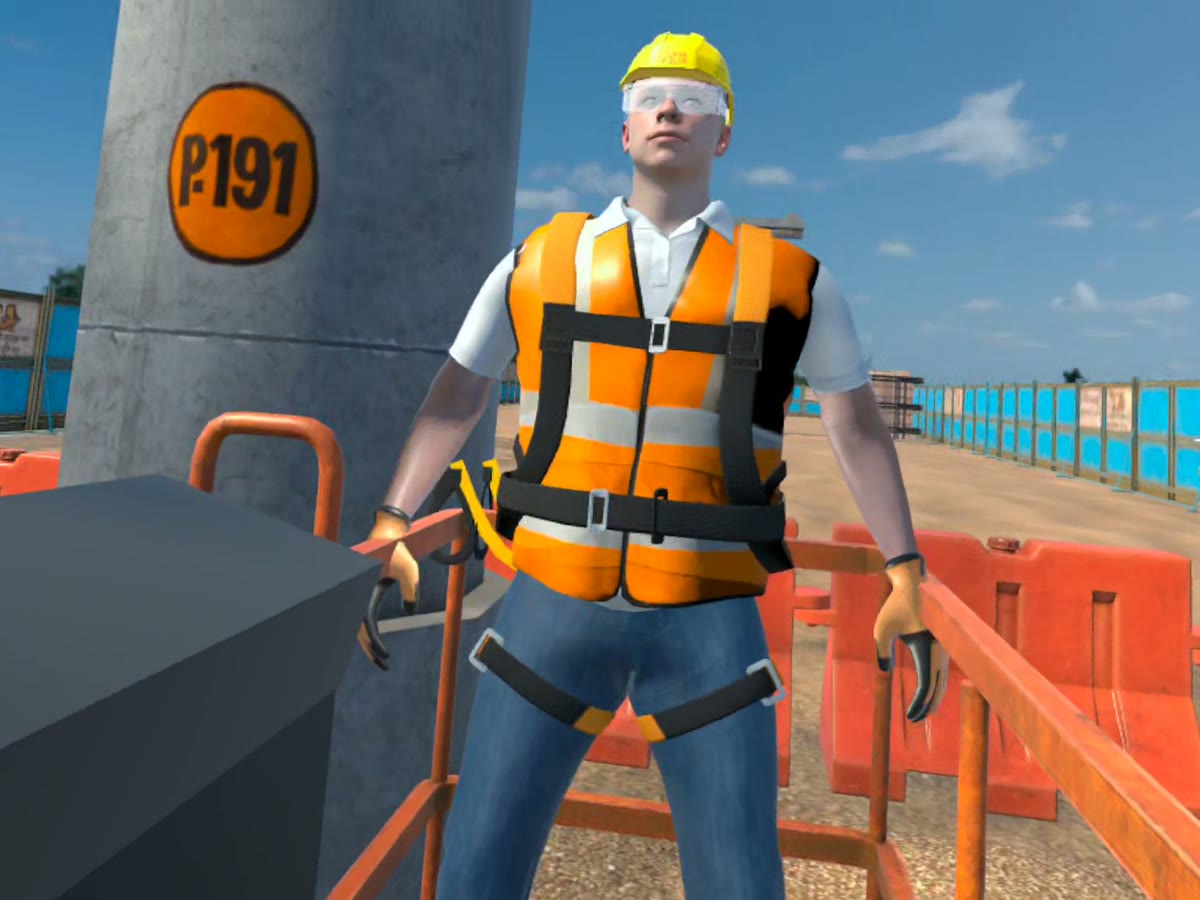
01 / The problem
A new site should not mean starting from zero.
- 01
Crews change. Risks remain.
New hires and subcontractors arrive with different levels of experience.
- 02
Briefings are not practice
Recognizing a hazard on a slide is different from noticing it in a busy work area.
- 03
Dangerous to recreate
High-risk situations cannot simply be staged for every learner on a live site.
02 / See it work
See the work. Then picture your team.
Explore relevant project samples before discussing your own training requirements.
The demo above is a working HapzXR project sample. The scenarios below illustrate how the training can be adapted to different roles and procedures.
03 / Try the scenarios
The situations that matter. Space to practice them.
Pick a situation. Each one shows where the learner starts, what they practice and what the trainer gets back.
Working at height
You're here
A task is about to begin at an elevated work area with changing access conditions.
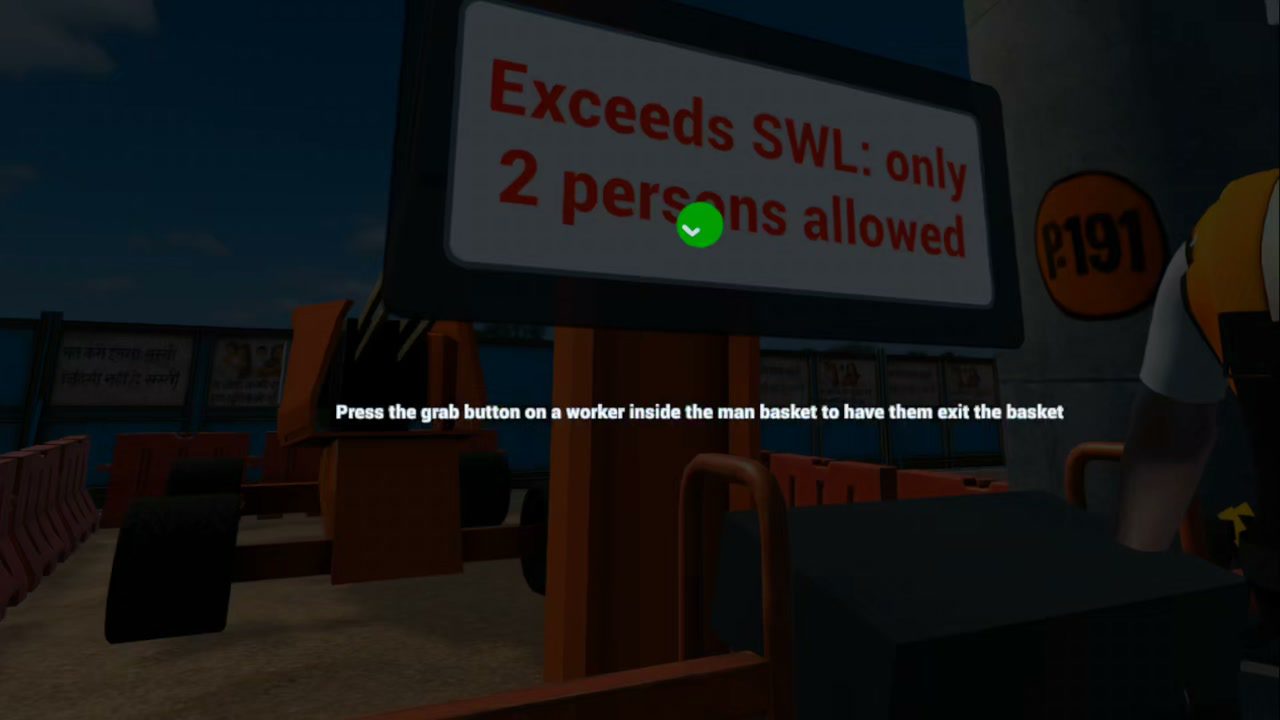
Learner practices
Inspect the scenario for hazards and work through approved pre-task checks.
Trainer sees
Review overlooked hazards and decisions that require further coaching.
Confined space entry
You're here
A crew is preparing to enter a restricted space with multiple entry controls.
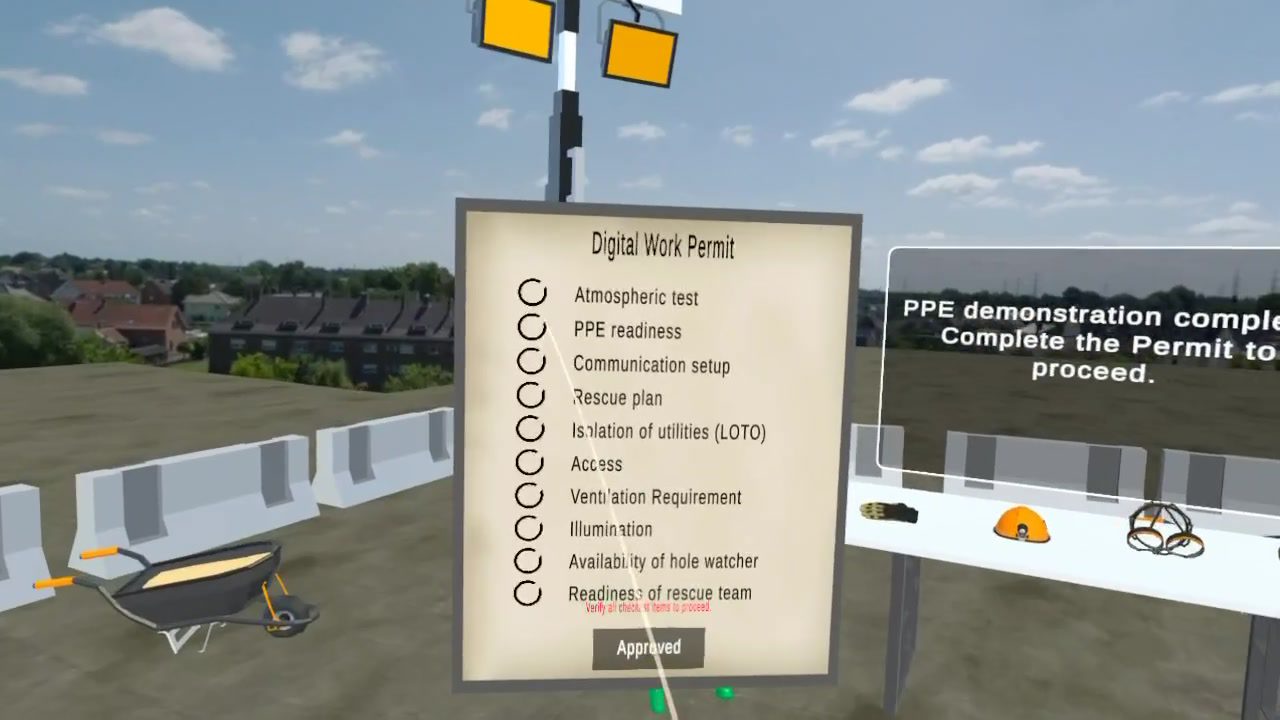
Learner practices
Rehearse permit checks, assigned responsibilities and the stop-and-escalate decision.
Trainer sees
Debrief missed checks and role handovers against the approved procedure.
Site emergency awareness
You're here
An alarm interrupts work in an unfamiliar part of the site.
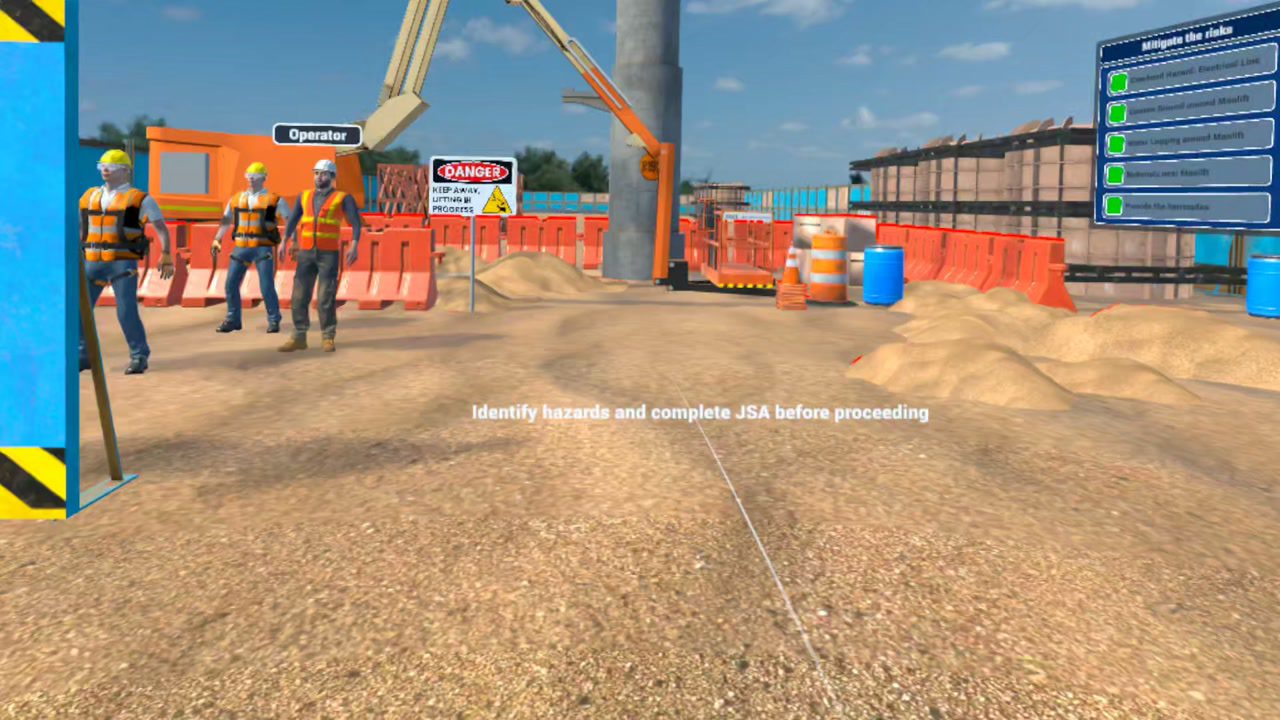
Learner practices
Locate the relevant route and practice reporting and assembly instructions for the assigned role.
Trainer sees
Review route awareness, communication and adherence to instructions.
Scenarios are illustrative. Final scope and procedures are agreed with your team.
04 / Where to start
Find your starting point.
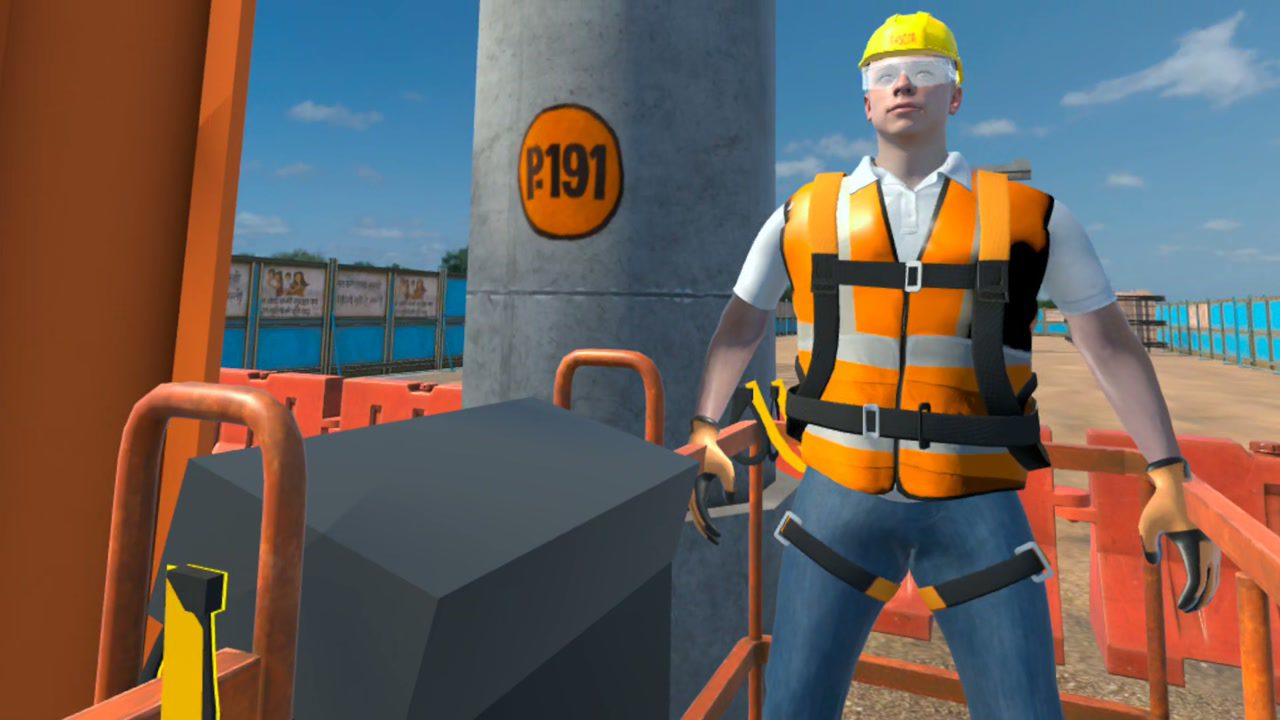
Working at Height VR Training
VR training for working at height, covering planning, PPE, anchor selection, rescue readiness, and elevated-work decision-making.
View the moduleNeed more?
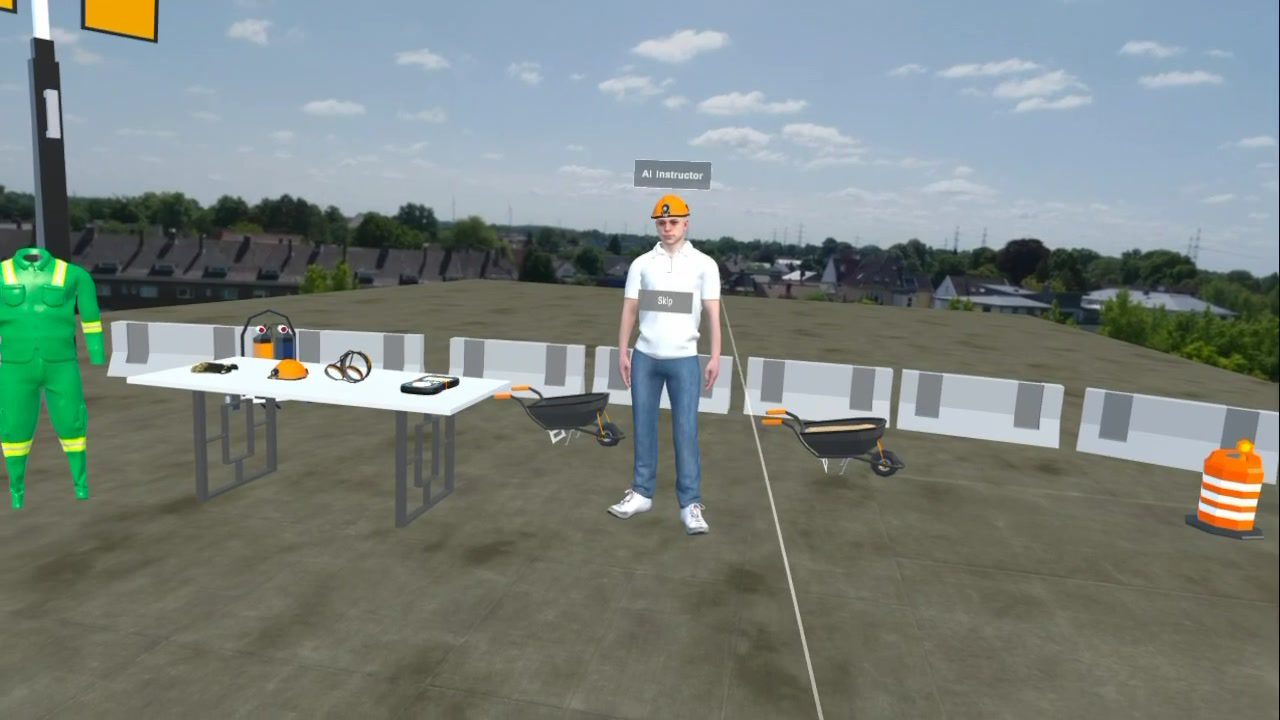
Confined Space Entry VR Training
Confined-space VR training for gas checks, isolation, communication, entry sequence, attendant duties, and emergency rescue readiness.
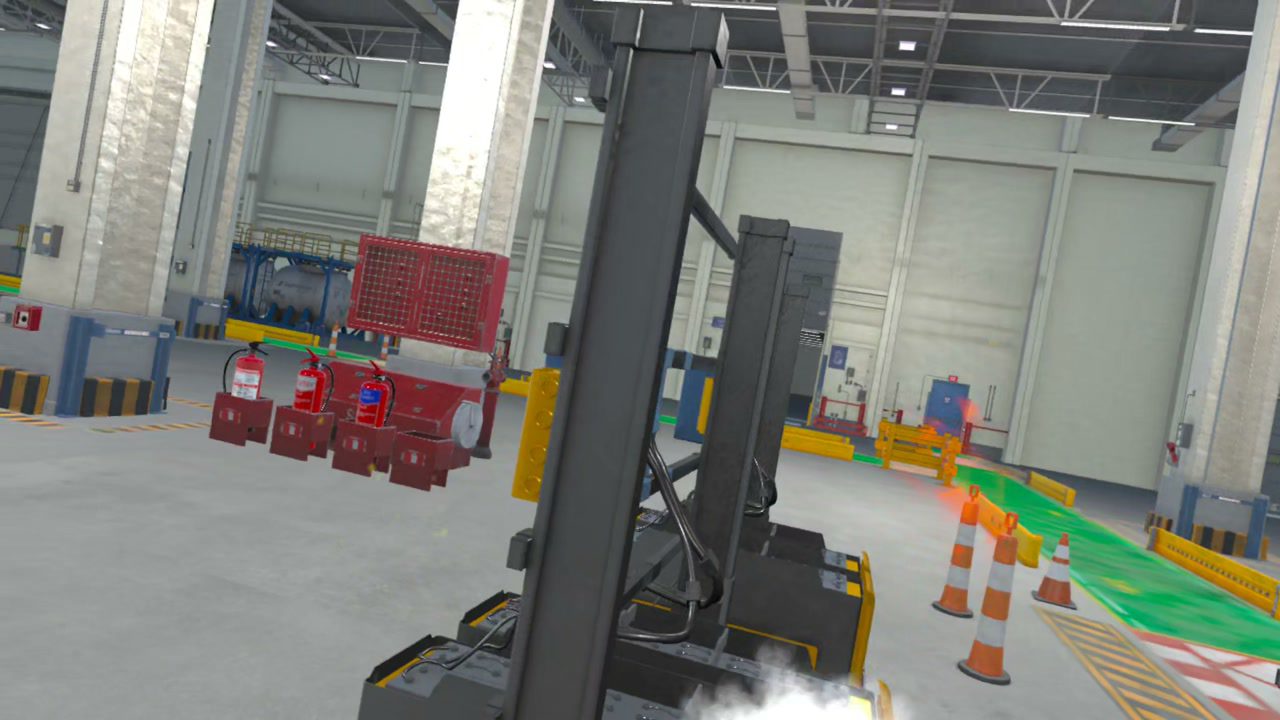
Fire Safety & Emergency Evacuation VR Training
VR fire-safety training for alarm response, extinguisher decisions, evacuation routes, assembly-point discipline, and emergency communication.
05 / What we have delivered
What we have delivered.
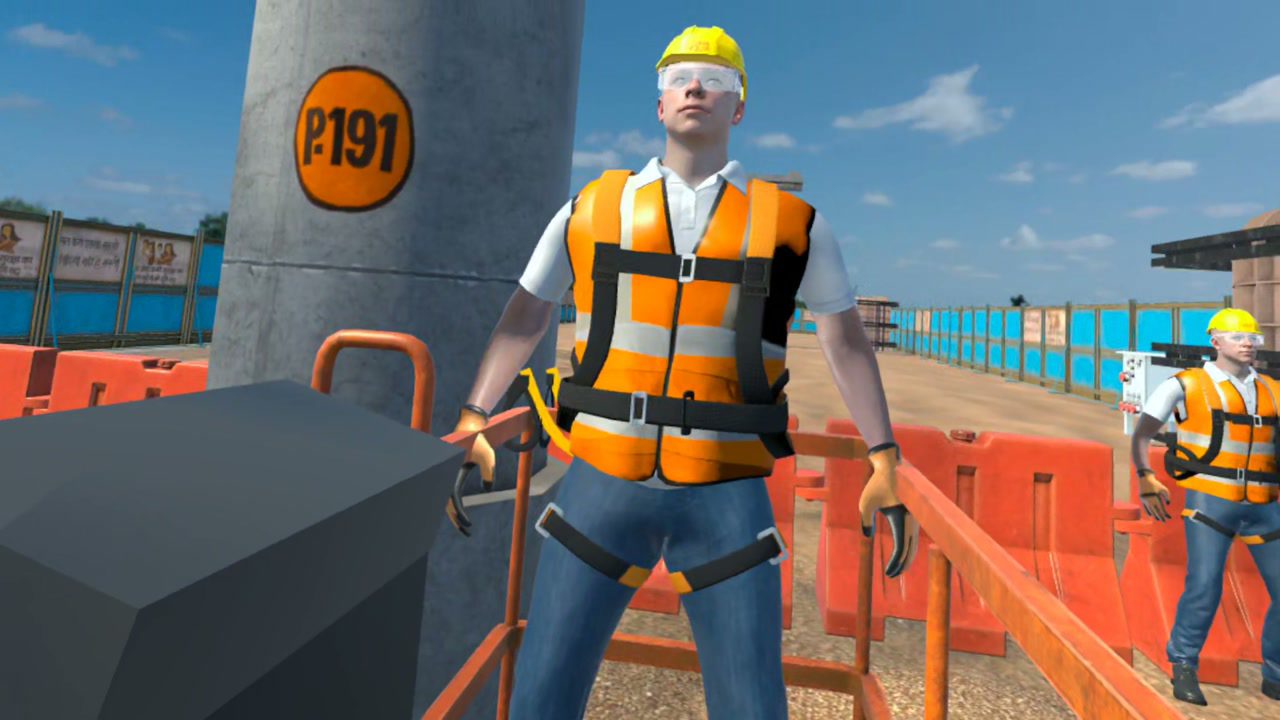
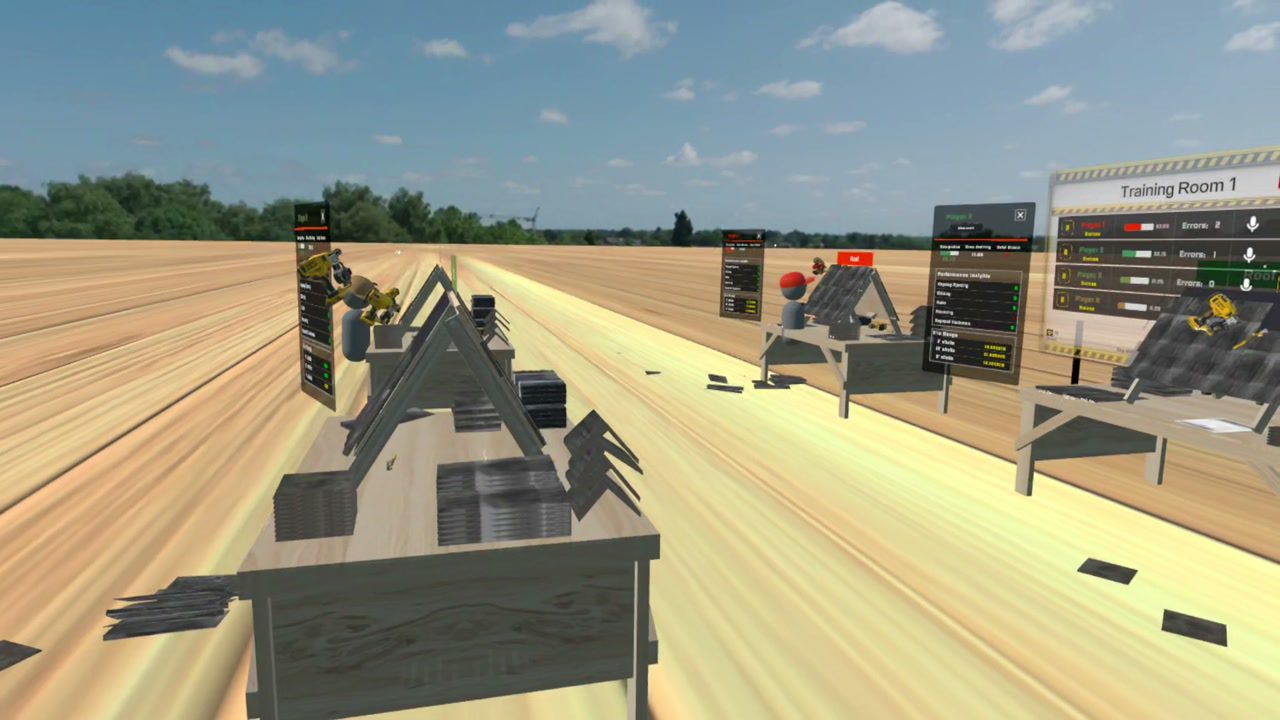
The roofing program is a delivered client project: a US instructor certified crews in India over twelve months without anyone boarding a plane. The working-at-height and confined-space builds are our own, developed to show permit checks, PPE selection and man-basket work in VR; the cut above is taken from all three.
Case study
Roofing Company Safety Training
Built a realistic roofing safety simulation that improved hazard recognition and onboarding quality.
Read the case studyWho is behind this
Built with the people who run the site.
We do not keep safety specialists on payroll. For each program we bring in an advisor from the industry, a site supervisor or safety professional who has run the work in question, and they review every scenario with yours before it ships.
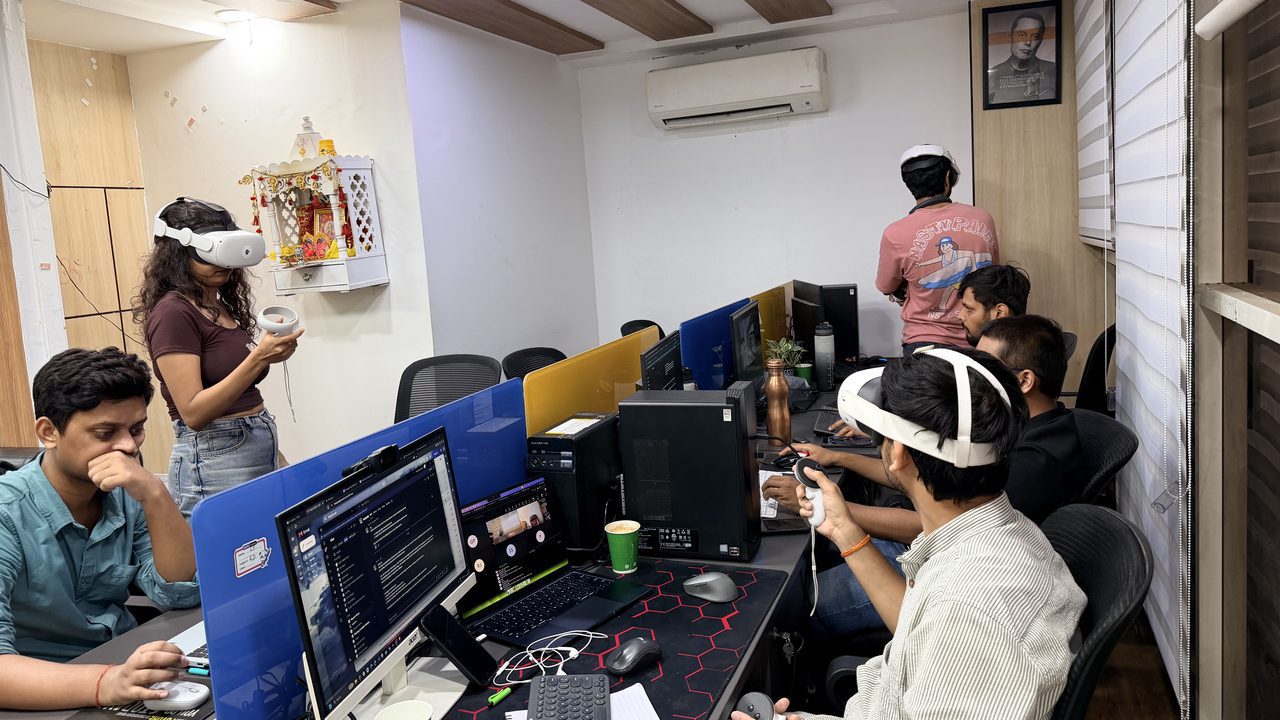
How a pilot works
From your procedure to a working pilot.
- 1
Give us the task
Roles, procedures, site information and what people need to get right.
- 2
We adapt the training
Scenario, environment, assessment and reporting.
- 3
Run it with a small group
Review what happened before deciding whether to scale.
VR supports practice and assessment. It does not replace required qualifications, supervised practical training or your site-specific safety procedures.
Can this support contractors with different languages?
Language and narration requirements can be included in the scope. Your safety team should review translated terminology, symbols and instructions, and confirm that learners understand the content.
Can you adapt training to our procedures and locations?
We can discuss adapting scenarios to your approved procedures, terminology, learner roles and environment. Your subject-matter experts review the content; the extent of customization is agreed before development.
What equipment, time and budget will we need?
These depend on the selected module, number of learners, headset setup and customization. Share your requirements and we will scope the hardware, delivery schedule and commercial proposal. We do not assume one deployment model fits every team.
How should we evaluate a pilot?
Agree on success measures before the pilot: decision accuracy, critical steps missed, learner throughput and feedback from instructors. Compare these with your current training approach rather than relying only on learner satisfaction.
Construction · Jul 2026
How Metro Contractors Are Using VR Training to Reduce Onboarding Time and Improve Work at Height Safety
How Metro Contractors Use VR Training to Train Workers Faster Discover how metro and infrastructure contractors are using VR training…
Read article
Automobile · Aug 2026
Multiplayer VR Training: Why Learning Together Beats Learning Alone
Last month, a roofing trainer in the United States knelt down beside a trainee in India. They were more than…
Read article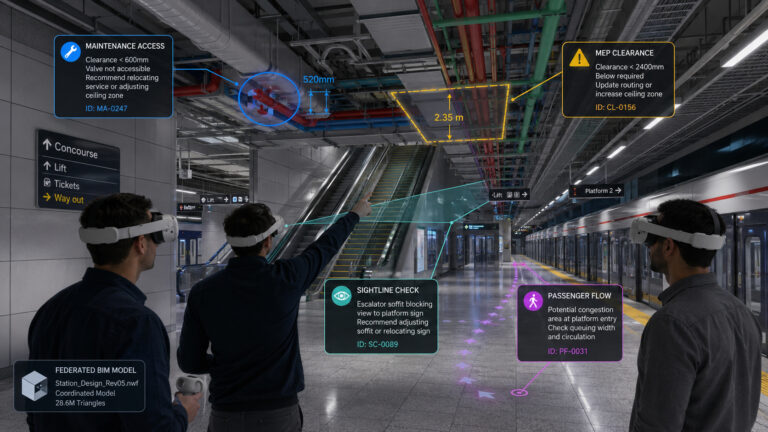
AI&VR · Aug 2026
Why Metro Design Reviews Are Moving From Screens Into VR
A senior design engineer once described the problem to us like this: “I have looked at this station model for…
Read articleYour next step
Make your next site orientation more practical.
Tell us the role, the site and what your people need to get right. We will show you what can be trained in VR and what a sensible first pilot could look like.