

VR Games & Experiences
VR Games & Entertainment
Immersive VR games and interactive experiences built in Unity or Unreal for Quest and PC VR.
From prototypes to full releases, we build VR games and interactive experiences optimized for comfort, performance, and fun.
- Immersion quality
- Session retention and replayability
- Stable performance across devices
- Core gameplay loop prototype
- Interaction and UX systems
- Optimization and deployment setup
Overview
HapzXR isn’t only about training — we also build VR games and entertainment experiences where immersion is the product. If you need tight interaction, strong performance, and a polished “feel,” we can take a concept from prototype to a build that’s ready for real users.
Game-Focused XR Production
- Core mechanics: interaction systems, locomotion, physics, weapons/tools, and UX
- Comfort-first design: onboarding, motion options, and accessibility choices
- Performance optimization: frame stability, GPU budgets, and device profiling
- Multiplayer (optional): lobbies, sessions, voice, and replication
What We Can Deliver
- Playable MVP for user testing and investor demos
- Content pipeline and level/mission structure for scaling production
- QA + bug triage to keep builds stable across devices
Whether you’re building a VR mini-game, a narrative experience, or a social interaction layer, we’ll focus on the details that make VR feel great: latency, feedback, clarity, and flow.
Time-Boxed Pilot (4 to 6 Weeks)
Measurable outcomes. Week-4 go/no-go decision. Optional 1-week discovery workshop; fee creditable on pilot.
-
Capture & Plan
SOPs, hazards, and success metrics.
-
Prototype
Playable slice on Quest 3 / PC VR.
-
Iterate + Analytics
Scoring, error logs, and dashboards.
-
Pilot + Report
Run with users; deliver results + roadmap.
Related Services
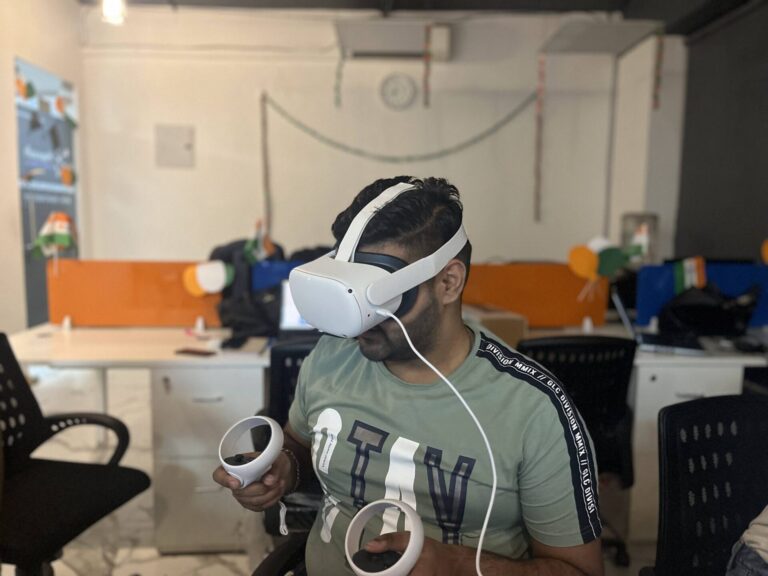
VR Skills & Procedure Training
Enterprise VR training that turns SOPs into repeatable skill practice, shortens onboarding, and standardizes execution across crews.
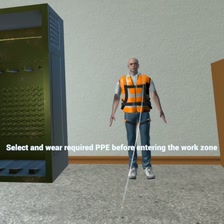
Custom VR Safety Training
High-fidelity safety simulations that improve hazard recognition and decision-making while keeping training consistent, measurable, and audit-friendly.

AI Scenarios & Virtual Patients
Adaptive VR training that adjusts to performance, reinforces best practices, and produces analytics you can act on — from safety to operations.