Military organizations worldwide are facing a common challenge: training vehicle operators efficiently while reducing costs, minimizing risks, and maintaining operational readiness.
Modern defence vehicles contain sophisticated systems that require extensive training before personnel can operate them safely and effectively. Traditional training methods involving real vehicles remain essential, but they are expensive, resource-intensive, and difficult to scale.
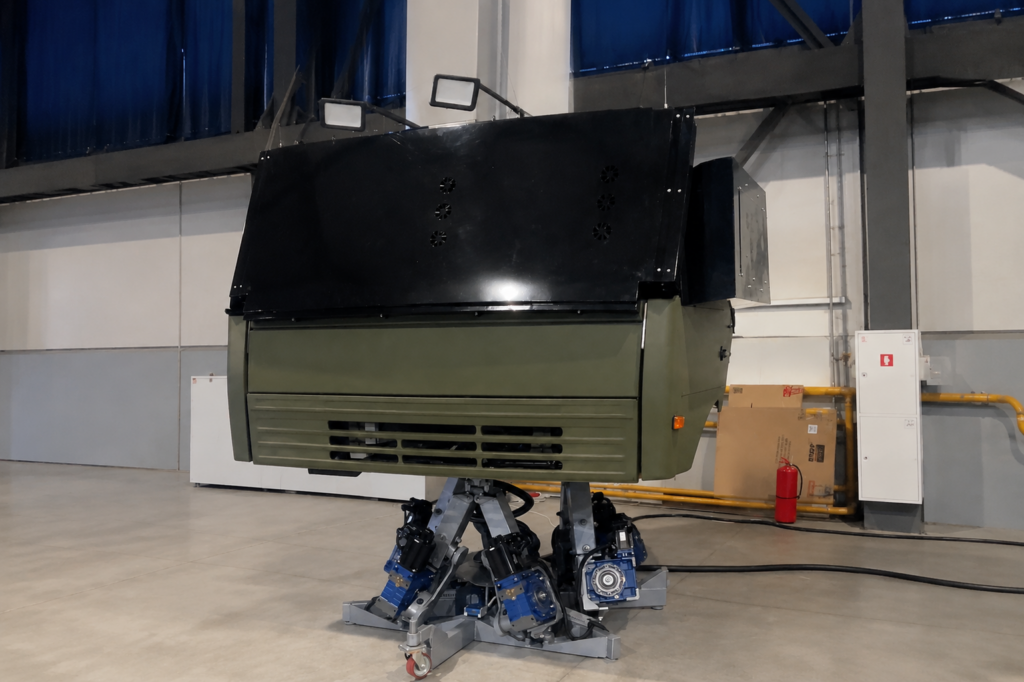
This is why military organizations and defence contractors are increasingly adopting Virtual Reality (VR) Defence Vehicle Simulators as part of their training ecosystem.
From driver training and crew coordination to maintenance procedures and combat scenario rehearsal, VR is helping defence forces prepare personnel faster, safer, and more cost-effectively than ever before.
The Growing Complexity of Defence Vehicle Training
Military vehicles today are far more advanced than their predecessors.
Operators must understand:
- Vehicle systems and controls
- Navigation and communication equipment
- Mission-specific procedures
- Crew coordination workflows
- Emergency response protocols
- Maintenance and troubleshooting processes
Training personnel on these systems using only physical vehicles creates several challenges.
High Training Costs
Every training exercise requires:
- Fuel consumption
- Vehicle maintenance
- Instructor resources
- Training grounds
- Logistics support
For large fleets, these costs can become substantial over time.
Limited Equipment Availability
Operational vehicles are valuable assets.
They may be:
- Deployed on missions
- Reserved for readiness requirements
- Under maintenance
This often limits training opportunities for new personnel.
Safety Concerns
Allowing inexperienced operators to learn on expensive military vehicles increases the risk of accidents, equipment damage, and injuries.
Limited Scenario Repetition
Some situations are difficult or impossible to recreate repeatedly using physical equipment.
Examples include:
- Vehicle fires
- Combat damage
- IED encounters
- Urban combat operations
- Communication failures
- Extreme weather conditions
These are precisely the scenarios personnel need to be prepared for.
How VR Defence Vehicle Simulators Solve These Challenges
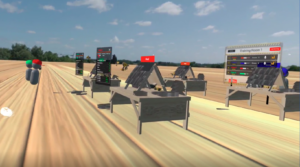
VR creates a fully immersive digital environment where trainees can interact with realistic virtual versions of military vehicles and operational scenarios.
Using VR headsets and simulation systems, personnel can:
- Enter and inspect vehicles
- Learn system operations
- Practice standard operating procedures
- Execute maintenance workflows
- Respond to emergency situations
- Participate in mission simulations
- Train collaboratively with other crew members
The result is a highly repeatable training environment without the costs and risks associated with real-world exercises.
Key Applications of VR in Defence Vehicle Training
1. Vehicle Familiarization
Before operating any military vehicle, personnel must understand its layout and systems.
VR allows trainees to explore:
- Cockpit controls
- Instrument panels
- Safety equipment
- Weapon systems
- Communication devices
- Maintenance access points
Interactive learning significantly improves engagement and retention compared to manuals or classroom sessions.
2. Driver Training
Driving military vehicles requires specialized skills.
VR simulators can recreate:
- Rough terrain
- Mountain roads
- Desert operations
- Night driving
- Convoy movement
- Obstacle avoidance
Operators can practice repeatedly without consuming fuel or risking vehicle damage.
3. Crew Coordination Training
Many military vehicles require multiple crew members working together.
VR enables realistic crew training for:
- Drivers
- Commanders
- Gunners
- Communication operators
Multi-user simulations allow teams to practice communication, coordination, and decision-making in realistic operational environments.
4. Maintenance and Technical Training
Maintenance personnel must understand complex vehicle systems before working on real equipment.
VR allows technicians to:
- Learn component locations
- Perform virtual inspections
- Follow maintenance procedures
- Troubleshoot faults
- Practice repair workflows
This reduces dependence on physical training vehicles while improving technical readiness.
5. Emergency Response Scenarios
One of the biggest advantages of VR is the ability to safely recreate dangerous situations.
Personnel can practice responding to:
- Vehicle fires
- Engine failures
- Combat damage
- Communication breakdowns
- Crew evacuation procedures
- Battlefield emergencies
These experiences build confidence and improve reaction times before personnel face similar situations in real operations.
Why Defence Organizations Are Investing in VR Training
Reduced Training Costs
VR significantly lowers expenses associated with:
- Fuel
- Equipment wear and tear
- Vehicle downtime
- Training logistics
Organizations can train more personnel without increasing operational costs.
Increased Training Frequency
Because VR systems are always available, trainees can practice whenever needed.
This creates more learning opportunities and accelerates skill development.
Improved Readiness
Personnel can encounter and practice hundreds of operational scenarios before entering the field.
This improves preparedness and decision-making under pressure.
Data-Driven Performance Evaluation
Modern VR training systems can track:
- Task completion times
- Error rates
- Procedure compliance
- Reaction speed
- Mission outcomes
This provides instructors with measurable performance data and enables targeted improvements.
The Future of Defence Training
The next generation of military training will combine VR with:
AI-Powered Training Systems
Artificial Intelligence can dynamically adjust scenarios based on trainee performance and provide real-time feedback.
Digital Twin Technology
Accurate digital replicas of military vehicles can provide even more realistic training experiences.
Mixed Reality (MR)
MR can combine physical equipment with digital simulation environments, creating hybrid training experiences.
Networked Multi-Location Exercises
Personnel located across different bases can participate in shared training missions from anywhere in the world.
Why Defence Contractors Are Partnering with VR Simulation Companies
As defence technology advances, military organizations require training systems that can evolve alongside their vehicles.
Custom VR simulation platforms offer:
✓ Faster training deployment
✓ Lower lifecycle training costs
✓ Standardized learning experiences
✓ Improved trainee engagement
✓ Enhanced operational readiness
For defence contractors, vehicle manufacturers, and military organizations, VR is becoming a critical component of modern training programs.
Virtual Reality is no longer an experimental technology in defence training. It has become a practical solution for preparing military personnel to operate increasingly complex vehicles in demanding environments.
From vehicle familiarization and driver training to maintenance procedures and combat scenario rehearsal, VR enables safer, more scalable, and more effective training experiences.
Organizations that invest in immersive simulation technologies today are building a more prepared, capable, and mission-ready workforce for tomorrow.
About HapzXR
HapzXR develops immersive VR, AR, and Mixed Reality training solutions for industries including defence, manufacturing, healthcare, construction, and industrial operations.
Our team specializes in creating realistic simulation environments that improve learning outcomes, reduce training costs, and enhance operational readiness through immersive technologies.
Looking to develop a Defence Vehicle Training Simulator? Contact HapzXR to discuss your requirements.