


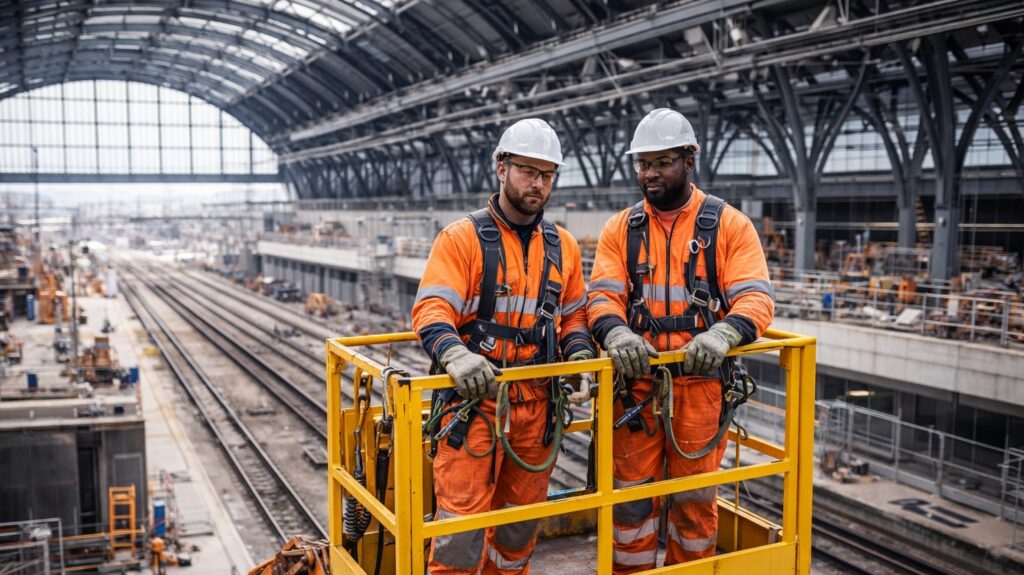
Construction is one of the most important industries in the world, but it is also one of the most dangerous. One of the biggest risks on any construction site is working at height. Whether it is on a ladder, scaffolding, or in a man basket, one mistake can lead to serious injury or even loss of life.
This risk becomes even greater when companies onboard new employees. A new worker may have basic knowledge, but that does not always mean they are ready to safely perform high-risk tasks in a real site environment. Traditional training methods like classroom sessions, manuals, or toolbox talks help, but they often do not prepare workers for the real pressure and hazards of working at height.
This is where Virtual Reality training is making a real difference.
Why VR Training Works
VR training gives workers an immersive and practical way to learn. Instead of only reading about hazards or watching someone else demonstrate them, employees can experience realistic site situations in a safe virtual environment.
They can learn how to identify risks, follow the correct safety steps, and understand what can go wrong without facing actual danger.
This is especially useful for new employees. Before they step into a live worksite, they can practice in VR and build confidence, awareness, and safer habits.
Solving Real Safety Problems with HapzX Modules
At HapzX, we create practical VR safety training modules focused on working at height. Our modules include:
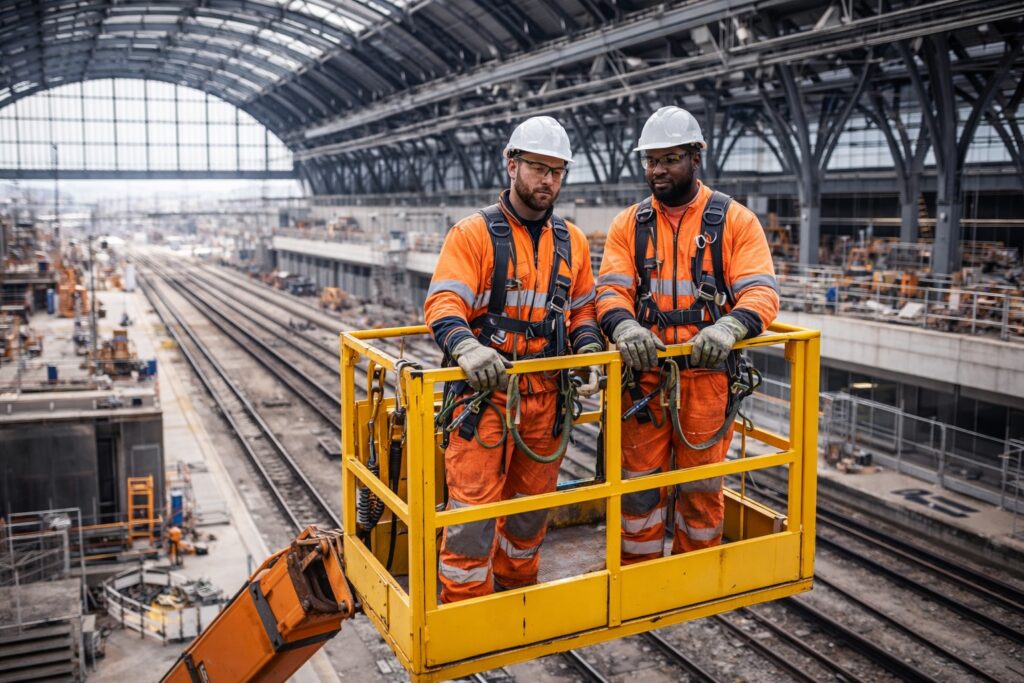
Man Basket Training Workers learn how to safely enter, operate, and work from a man basket while understanding key risks and precautions.
Ladder Safety Training Employees learn the correct way to select, position, and use ladders safely, while identifying common mistakes that often lead to accidents.
Scaffolding Safety Training Workers are trained to inspect scaffolding, recognize unsafe conditions, and move safely while working at height.
These modules help construction companies train employees more effectively, especially during onboarding. Instead of relying only on theory, companies can give workers hands-on virtual practice before they perform the task in real life.
Why This Matters for Construction Companies
VR training offers several major benefits:
- better safety awareness
- stronger onboarding for new workers
- more consistent training across teams
- reduced risk of accidents
- improved confidence before entering high-risk environments
Most importantly, it helps prevent incidents before they happen.
Should VR Training Certification Be Mandatory?
I believe this is a serious question the construction industry needs to ask.
When a task is risky enough to cause severe injury or death, should workers be allowed to perform it without first proving they can handle it safely?
In my opinion, for tasks like working at height, VR training certification should strongly be considered as a mandatory requirement, especially for new employees. It should not replace physical practical training or legal compliance requirements, but it can become an important first layer of readiness.
A worker who has completed a VR module has already faced realistic scenarios, made decisions, understood hazards, and learned the right responses. That is far more effective than simply attending a lecture and signing a form.
Safety training should not be treated as a checkbox exercise. In high-risk environments like construction, better training means better decisions, fewer accidents, and saved lives.
VR is no longer just an innovation. It is becoming an essential safety tool.
With working at height modules like Man Basket, Ladder, and Scaffolding from HapzX, construction companies can prepare their teams more effectively and give new employees a safer start from day one.
And yes when it comes to risky tasks at height, a VR training certificate may soon become not just a good idea, but a necessary standard.