Imagine this: You go to the hospital because you are sick. But the nurse who should help you is too busy. There are not enough nurses. Or the new nurses do not have enough practice. This is happening right now all over the world. It is called the nurse shortage crisis.
But there is good news! A cool new tool called Virtual Reality (VR) is changing everything. VR lets students learn like they are in a real hospital – without any risk. It is helping train more nurses faster and better. In this blog, I will explain the problem in simple words and show how VR is saving lives. Let’s dive in!
Rich countries ‘raiding’ developing world’s nurses
The Big Problem: Not Enough Trained Nurses
Hospitals need lots of nurses. People are getting older. More diseases need care. But we do not have enough nurses – and many new ones are not fully ready.
Here are the latest numbers (from 2025 reports):
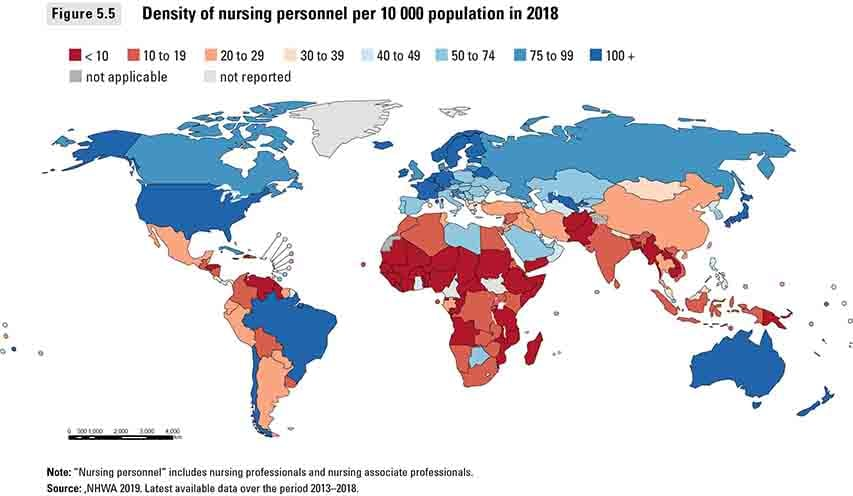
- Around the world, there are about 29.8 million nurses. That sounds like a lot, but the shortage is still 5.8 million nurses. It was 6.2 million before, so it is getting a little better. By 2030, it may drop to 4.1 million.
- But here is the unfair part: 78% of all nurses live in rich countries that have only 49% of the world’s people. Poor countries have very few nurses.
In the USA (where many people read blogs like this):
- There is still an 8% shortage of registered nurses right now.
- Hospitals need about 193,000 new nurses every year until 2032.
- Many nursing schools say “no” to good students because they do not have enough teachers or practice spots.
The result? Long waits in hospitals. Tired nurses. More mistakes. And sometimes, patients do not get the best care. This crisis hurts everyone.
Why Old-Style Training Is Not Working Anymore
In the old days, student nurses learned by:
- Reading books
- Watching videos
- Practicing on fake bodies (called mannequins)
- Working with real patients in hospitals
But this way has big problems:
- Real hospitals are busy – students cannot practice enough.
- Mistakes on real patients can be dangerous.
- Not enough practice spots for everyone.
- Schools cannot train fast enough because of teacher shortage.
New nurses often feel scared and not ready. Many leave the job quickly. That makes the shortage even worse!
Here Comes VR Training – The Smart New Way!
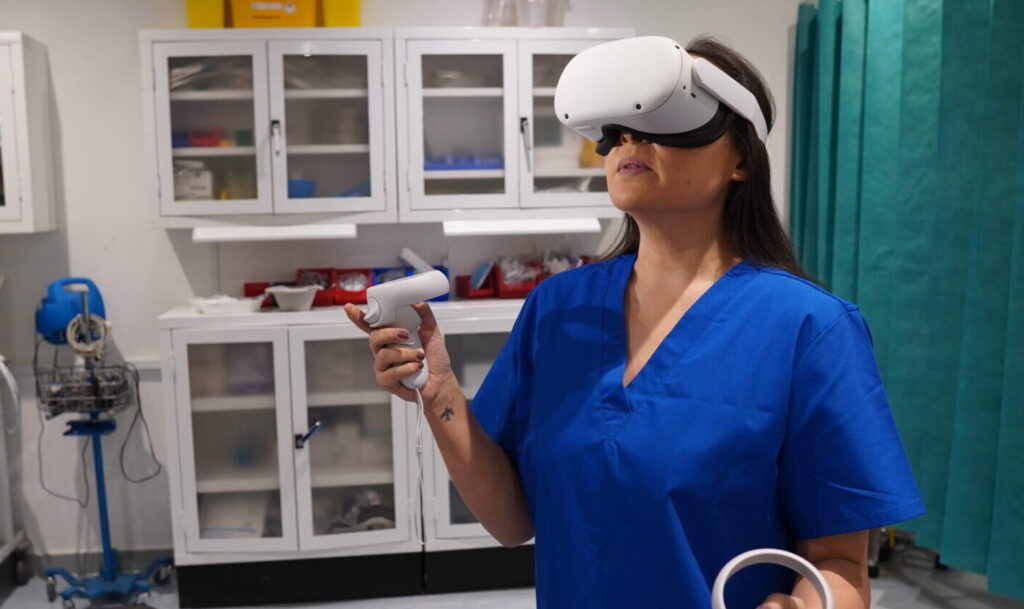
What is VR? It is like wearing special glasses and stepping into a 3D hospital world. You use hand controllers to do real nursing jobs – give injections, help in emergencies, talk to patients – all inside the computer.
You can make mistakes safely. You can practice the same thing 100 times. You can learn from home or school. No real patient gets hurt!
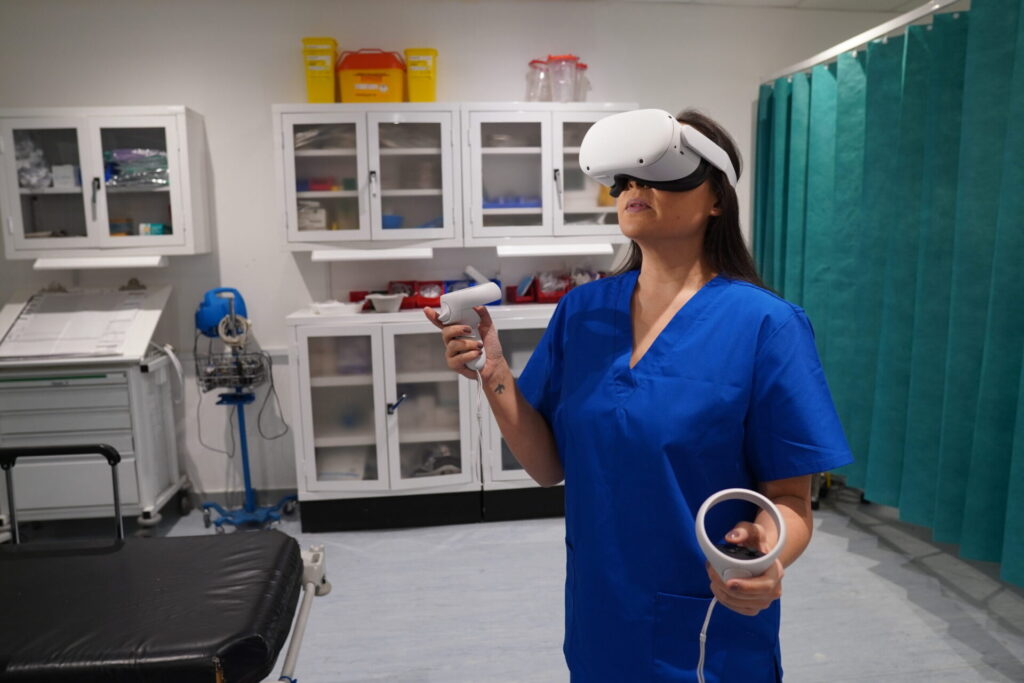
Annual Competency Training with VR – Oxford Medical Simulation
Why does it work so well? Recent studies (2024–2026) show VR is super effective:
- Students learn more knowledge and skills than with old methods.
- They feel more confident.
- They get better at quick thinking in emergencies.
- One study showed VR students did better than those who only used real hospital training!
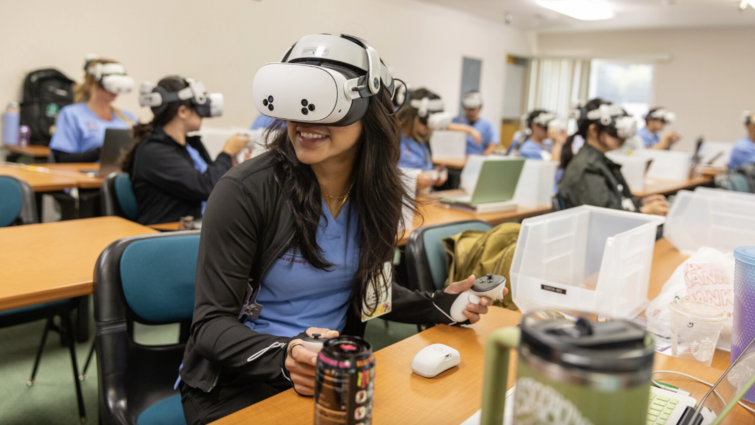
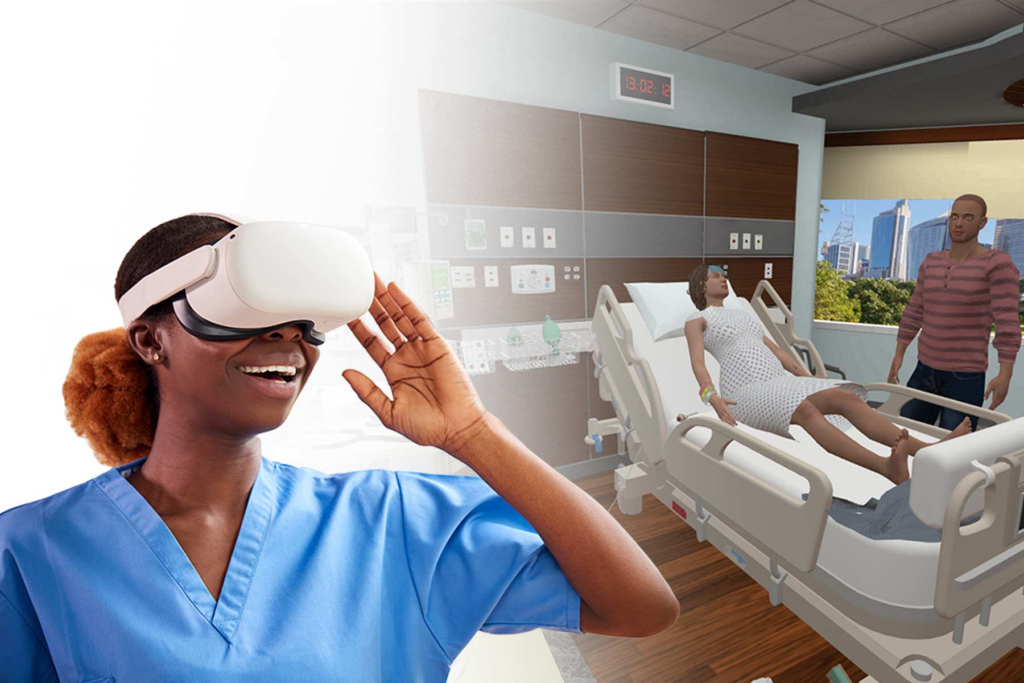
Students say: “It feels so real!” and “I am not scared anymore when I meet real patients.”
Any Problems with VR?
Yes, a few small ones:
- Headsets cost money at first.
- Some people feel dizzy (but it is rare now with new glasses).
- Teachers need training to use it.
But these are easy to fix. Many schools start small with one class. Governments and companies are giving money to help. The good things (faster training, safer patients) are much bigger than the problems.
What Should We Do Next?
Everyone can help:
- Nursing schools – add VR today!
- Hospitals – use VR for new nurses.
- Governments – give money so poor countries can use VR too.
If we do this, we can train thousands more nurses every year. We can close the shortage gap. And most important – we can save more lives.
Final Thought
The nurse shortage is real and serious. But VR is not just a cool gadget. It is a real solution that is already working. It lets students practice safely, learn quickly, and feel ready for real work.
Next time you visit a hospital, you might meet a nurse who trained with VR. She will be confident, quick, and caring – because she practiced in a virtual world first.
Would you like a VR-trained nurse looking after you? I know I would!
What do you think? Have you tried VR? Share in the comments. And if you are a nurse, teacher, or student – tell us your story!
(Share this blog with your friends in healthcare. Together we can spread the word about VR and fix the crisis!)
Sources: Latest WHO 2025 Nursing Report and HRSA 2025–2026 workforce data. Studies from 2024–2026 on VR in nursing education.