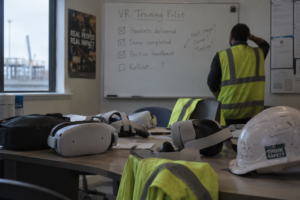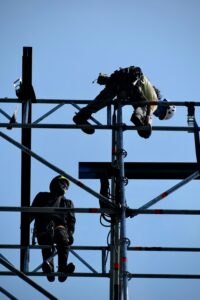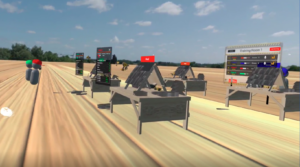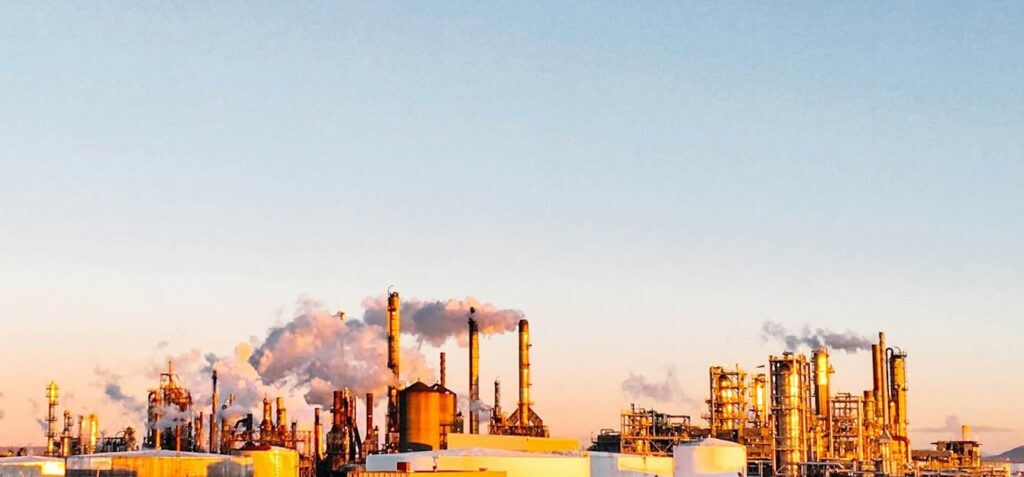
Oil and gas VR training is most valuable when the cost of procedural drift is high. Permit-to-work errors, weak isolation discipline, poor confined-space readiness, and slow emergency decisions do not just create training gaps. They create exposure. That is why many operators are moving beyond classroom refreshers and using immersive simulation to build stronger procedural discipline before work happens in the field.
In hazardous environments, crews need more than theoretical understanding. They need sequence memory, role clarity, and the ability to respond under pressure. VR training gives teams a safer way to rehearse those moments repeatedly without staging risky live exercises every time.
Why Oil and Gas Teams Use VR Training
- Hazardous workflows need realistic rehearsal: PTW, LOTO, hot work, confined space, and emergency escalation are hard to learn deeply through slides alone.
- Contractor and shift complexity creates variation: Immersive modules help standardize how procedures are taught and assessed.
- Emergency drills are expensive and limited: VR allows teams to practice abnormal conditions more often.
- Audit and competency evidence matter: Supervisors can see who executed the right steps and where retraining is needed.
The Highest-Value Oil and Gas VR Training Scenarios
The strongest programs usually start with a safety-critical workflow where errors are unacceptable and live rehearsal is limited. Common use cases include:
- permit-to-work review, approval logic, and field execution checkpoints
- lockout-tagout execution, verification, and release procedures
- confined-space hazard control and attendant communication
- hot work planning and isolation confirmation
- alarm response, muster, and emergency escalation scenarios
- shift handoff communication during abnormal operating conditions
These scenarios align closely with our Industrial Safety Training work because they are less about awareness and more about correct execution under operational pressure.
What Good Oil and Gas VR Training Should Deliver
A strong program should do more than present a virtual environment. It should assess the actual behaviors that matter:
- whether the trainee followed the right sequence
- whether permit and isolation checks were completed correctly
- whether escalation happened at the right time
- whether role handoffs and communication were handled properly
- whether the learner can repeat the workflow consistently, not just once
This is what makes VR training useful for HSE, operations, and compliance leaders. It creates better evidence of readiness than attendance-based refreshers alone.
How to Roll Out a Pilot
The best pilot is usually one workflow where risk, training burden, and operational importance are already obvious. For many teams, that means PTW, LOTO, or confined-space readiness. Start there, define the pass/fail checkpoints, run a pilot cohort, and compare results against your current training model.
A focused pilot helps answer the right questions:
- Did teams execute the procedure more consistently?
- Were common mistakes easier to spot before field assignment?
- Did supervisors gain clearer confidence in readiness?
- Should the organization scale into more scenarios or sites?
How HapzXR Supports Oil and Gas Training Programs
We design oil and gas scenarios around real permit logic, isolations, hazard controls, and emergency decision points so crews are practicing the workflow that matters, not a generic safety simulation. Our Oil & Gas VR Training programs are built to support stronger compliance behavior, more realistic emergency drills, and better competency validation.
If you want to see how that translates into delivery, review our Oil & Gas Safety Training case study.
Bottom line: oil and gas VR training works best when it improves real procedural discipline for hazardous work, creates measurable readiness, and gives leadership defensible evidence before crews enter live operations. If that is your goal, talk to HapzXR about a pilot focused on PTW, LOTO, confined space, or emergency response.