


Exploring the World with AR & VR: The Future of Tourism
Traveling to new places is always an exciting experience, but sometimes, understanding the history, culture, and significance of a destination can be challenging. This is where Augmented Reality (AR) and Virtual Reality (VR) are transforming the way we explore the world.
How AR Can Enhance On-Site Travel Experiences
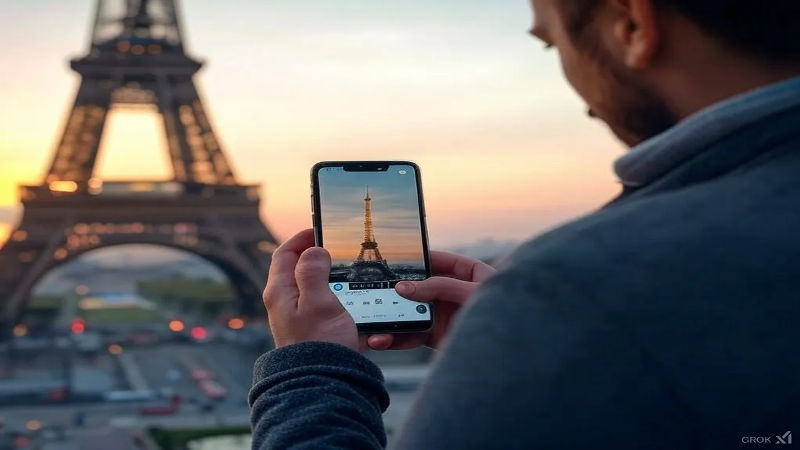
- AR Travel Apps: Point your phone at a historical monument, and an interactive guide pops up, narrating its history and significance.
- Multilingual Support: AR can provide real-time translations for signs, museum plaques, and even audio guides.
- Navigation & Smart Assistance: AR-powered maps make navigation seamless by overlaying directions on real-world streets.
- Interactive Storytelling: Sites like the Colosseum come to life with AR recreations of historical battles.
How VR Can Transport Tourists to New Destinations
- Virtual Previews: VR experiences let you explore landmarks, museums, and even hotel rooms from home before booking.
- Time Travel in VR: Experience lost civilizations, extinct species, or historical moments by stepping into VR recreations.
- Accessibility for All: For those who can’t travel, VR provides an opportunity to explore world wonders from the comfort of home.
Making Tourism More Convenient & Immersive
- No need for physical guides — AR apps offer information instantly.
- Personalized experiences — Get recommendations based on your interests.
- Effortless learning — Enjoy immersive storytelling without flipping through books.
- Enhanced safety — Get real-time safety alerts and travel tips.
The Future of AR/VR in Tourism
As technology evolves, we might soon see AI-powered virtual guides, holographic AR assistants, and fully immersive VR tours that make traveling more engaging and informative than ever before. Whether you’re exploring a historical site in person or virtually stepping into the past, AR and VR are reshaping tourism, making it smarter, richer, and more accessible.