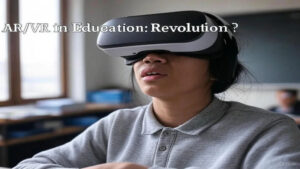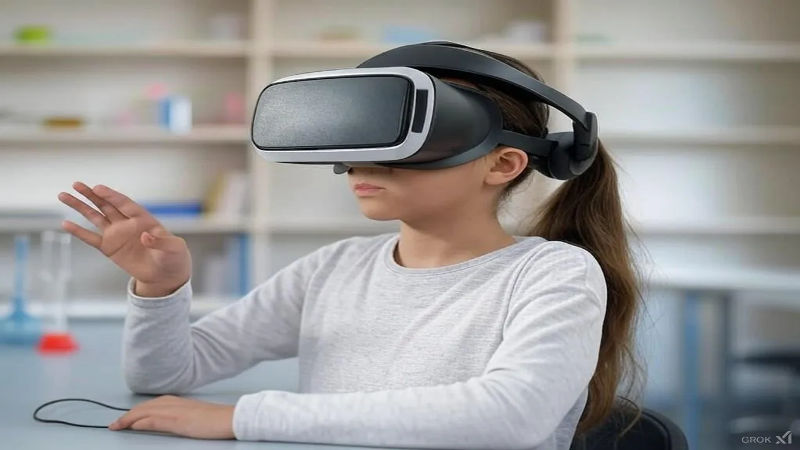
How AR/VR is Transforming Science Education in Schools
The way we learn is evolving at a rapid pace, and Augmented Reality (AR) and Virtual Reality (VR) are at the forefront of this transformation.
1. Bringing Abstract Concepts to Life
Imagine a biology class where students can project a 3D beating heart on their desks and interact with it. With VR, students can dive into the microscopic world of a cell or travel through the solar system.
2. Creating Safe, Risk-Free Learning Environments
Students can mix chemicals in a virtual lab without worrying about explosions or spills. AR overlays can guide students through real-world experiments, reducing errors and enhancing safety.
3. Enhancing Engagement and Motivation
AR/VR introduces gamification elements to learning. Interactive AR quizzes and immersive VR adventures turn mundane lessons into exciting experiences.
4. Fostering Collaboration and Social Learning
Virtual science fairs and collaborative VR labs allow students to work together on experiments, regardless of their physical location.
5. Making Science Accessible to All
Schools with limited budgets can use VR for virtual field trips. AR tools on smartphones bring advanced learning experiences to schools that may lack high-end equipment.
6. Preparing Students for Future Careers
Exposure to cutting-edge technology prepares students for careers in STEM fields. Solving virtual challenges enhances problem-solving and critical thinking skills.
Challenges and the Road Ahead
While AR/VR holds immense potential, challenges like high costs, teacher training, and infrastructure requirements need to be addressed. Governments, educators, and tech companies must collaborate to make these technologies accessible and effective.
AR and VR are more than just flashy gadgets — they are transformative tools that can redefine how science is taught and learned. The question is not whether AR/VR will change science education, but how quickly schools will embrace this revolution.